
Cocaine is a powerfully addictive stimulant drug that can have severe consequences on a person’s physical and mental health. You might be wondering, “How addictive is cocaine?” and what makes it so hard to overcome. The intense euphoria, or “high,” it produces is a key factor in its addictive nature. Many people who try cocaine with the intent of using it only once quickly find themselves struggling with a substance use disorder. But what makes cocaine so addictive? The answer lies in how it interacts with the brain.
Key Points
- Cocaine addiction is a complex disease that results from the drug’s impact on the brain’s reward system.
- The intense but short-lived high from cocaine often leads to a cycle of binging and escalating use.
- Recognizing the signs of cocaine abuse is the first step toward seeking help and starting on the path to recovery.
- Professional addiction treatment, including behavioral therapies and support groups, can help individuals overcome cocaine addiction.
- Recovery from cocaine addiction is possible with the right support and a comprehensive treatment plan.
How Addictive is Cocaine? A Look at the Science of Cocaine Addiction
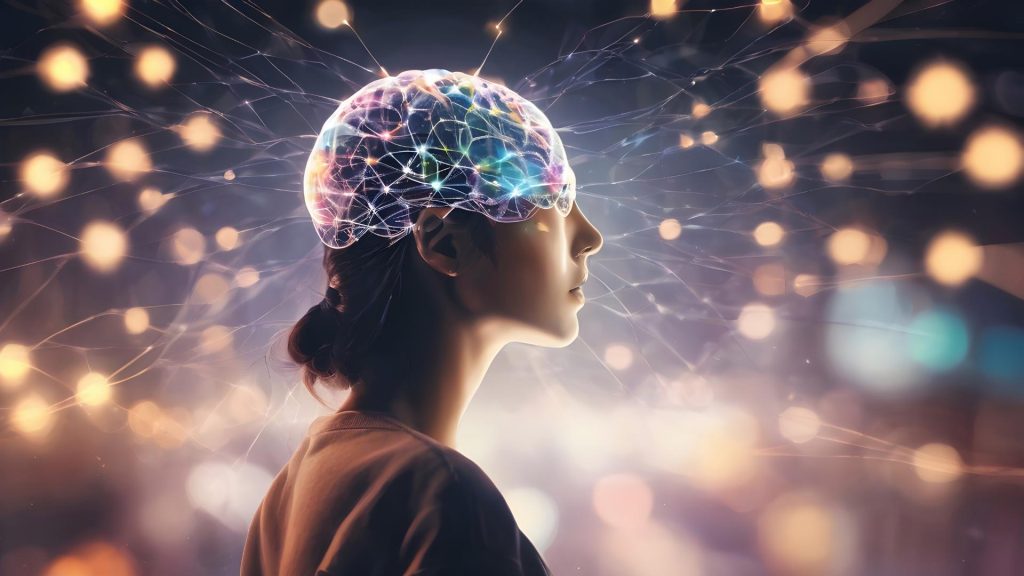
Cocaine’s addictive power comes from its ability to hijack the brain’s natural reward system. According to the Substance Abuse and Mental Health Services Administration, millions of Americans use cocaine every year. Our brains have a network of nerve cells that use a chemical messenger called dopamine to communicate. Normally, dopamine is released in response to pleasurable activities, like eating a good meal, and then recycled, turning off the pleasure signal. However, cocaine blocks the dopamine transporter, preventing the reuptake of this neurotransmitter. This leads to a buildup of dopamine in the brain, causing an intense feeling of euphoria and a powerful craving for more of the drug.
This disruption of the brain’s reward pathway is what makes cocaine so addictive. Over time, the brain adapts to the excess dopamine, and the user needs to take higher and more frequent doses to achieve the same effect. This is known as tolerance, a hallmark of addiction.
The Cycle of Cocaine Abuse
The intense high from cocaine is short-lived, which often leads to a dangerous cycle of abuse. To maintain their high, people who use cocaine often use the drug repeatedly within a short time, at increasingly higher doses. This “binge” pattern can lead to increased irritability, restlessness, and paranoia. A person may even experience a full-blown psychosis, in which they lose touch with reality and experience auditory hallucinations.
What is Crack Cocaine?
Crack cocaine is a form of cocaine that has been processed to make a rock crystal that can be smoked. Smoking crack cocaine allows it to be absorbed into the bloodstream more quickly than snorting powder cocaine, resulting in a much faster and more intense high. However, this high is also shorter-lived, which can lead to even more frequent and compulsive use.
Cocaine Withdrawal Symptoms

When a person who is physically dependent on cocaine stops using the drug, they will experience a range of uncomfortable withdrawal symptoms. These symptoms can be both physical and psychological and may include:
- Fatigue
- Depression
- Anxiety
- Agitation
- Intense cravings for the drug
These withdrawal symptoms can be incredibly difficult to manage without professional help, which is why a detox is often the first step in addiction treatment.
The Dangers of a Cocaine Overdose
A cocaine overdose is a life-threatening emergency. It can occur when a person uses too much of the drug, or when they mix it with other substances, such as alcohol. Signs of a cocaine overdose can include:
- Increased heart rate and blood pressure
- Chest pain
- Tremors
- Seizures
- Stroke
If you suspect someone is experiencing a cocaine overdose, call 911 immediately.
Cocaine’s Effects on the Body
Cocaine affects multiple body systems immediately and over time. Knowing what these effects are can help you recognize warning signs and make informed decisions about your health.
| Body System | Short-Term Effects | Long-Term Effects |
|---|---|---|
| Cardiovascular | Increased heart rate, constricted blood vessels, increased blood pressure | Heart attack, stroke, aortic ruptures |
| Respiratory | Snorting: nosebleeds, loss of smell, chronic runny nose. Smoking: cough, asthma, respiratory distress | Worsening of asthma, increased risk of pneumonia |
| Neurological | Euphoria, increased energy, alertness | Seizures, headaches, cognitive impairment, movement disorders |
| Gastrointestinal | Decreased appetite, nausea | Intestinal ischemia (reduced blood flow to the intestines), which can become life-threatening |
Is cocaine physically addictive?
Yes, cocaine is physically addictive. Over time, the brain adapts to the presence of the drug, leading to physical dependence. When a person stops using cocaine, they will experience physical and psychological withdrawal symptoms as their body struggles to function without the drug.
How does cocaine use disorder develop?
Cocaine use disorder develops as a result of the changes the drug makes to the brain’s reward system. The intense cravings and withdrawal symptoms make it difficult for a person to stop using the drug, even when they are aware of the negative consequences.
What are the long-term effects of cocaine abuse?
Long-term cocaine abuse can have a devastating impact on a person’s health, leading to serious cardiovascular problems, respiratory issues, and neurological damage. It can also have a profound effect on a person’s mental health, contributing to anxiety, depression, and other mood disorders.
Cocaine Addiction Treatment
Overcoming a cocaine use disorder is a challenging process, but recovery is possible. A comprehensive addiction treatment program can provide the support and tools needed to achieve long-term sobriety. Treatment for cocaine addiction often includes a combination of behavioral therapies, such as Cognitive Behavioral Therapy (CBT), and participation in support groups.
Your Path to Recovery at Care Star Recovery and Wellness
At Care Star Recovery and Wellness, we offer a range of evidence-based treatment options to help individuals overcome cocaine addiction and reclaim their lives. Our outpatient programs provide the flexibility to receive high-quality care while maintaining your daily responsibilities. We believe in treating the whole person, not just the addiction, and our compassionate team is here to support you every step of the way. If you or a loved one is struggling with cocaine addiction, we can help.
Cocaine is a highly addictive and dangerous drug. If you or someone you know is struggling with cocaine addiction, it is crucial to seek professional help. At Care Star Recovery and Wellness, we provide compassionate, evidence-based care to help you or your loved one break free from the cycle of addiction and build a healthier, more fulfilling future. Contact us to get help today.