When you or someone you care about is facing a drug test, the timing of the results can feel like everything. You might be surprised to learn that a simple saliva sample can actually detect cocaine much faster than a traditional urine sample. While urine tests have been the standard for decades, a cocaine saliva test offers a unique window into recent drug use that other methods simply cannot match. This article explores the biological reasons behind this speed, how your body processes cocaine, and why this matters for your recovery journey. We will look at detection windows, the role of your central nervous system, and why oral fluid is becoming a preferred tool in professional clinical environments.
Quick Takeaways
- Saliva tests can detect cocaine within minutes of use, while urine tests often take several hours to show a positive result.
- The mouth acts as a reservoir for the parent drug, making oral fluid the most effective way to test someone’s recent exposure; though no drug test can reliably detect if someone is currently intoxicated.
- Biochemical factors like ion trapping and saliva pH levels allow cocaine to concentrate in the mouth at higher levels than in the blood.
- While saliva is better for detecting recent use, urine and hair testing provide a longer detection window for historical drug abuse.
The Science of Immediate Detection: Saliva vs. Urine
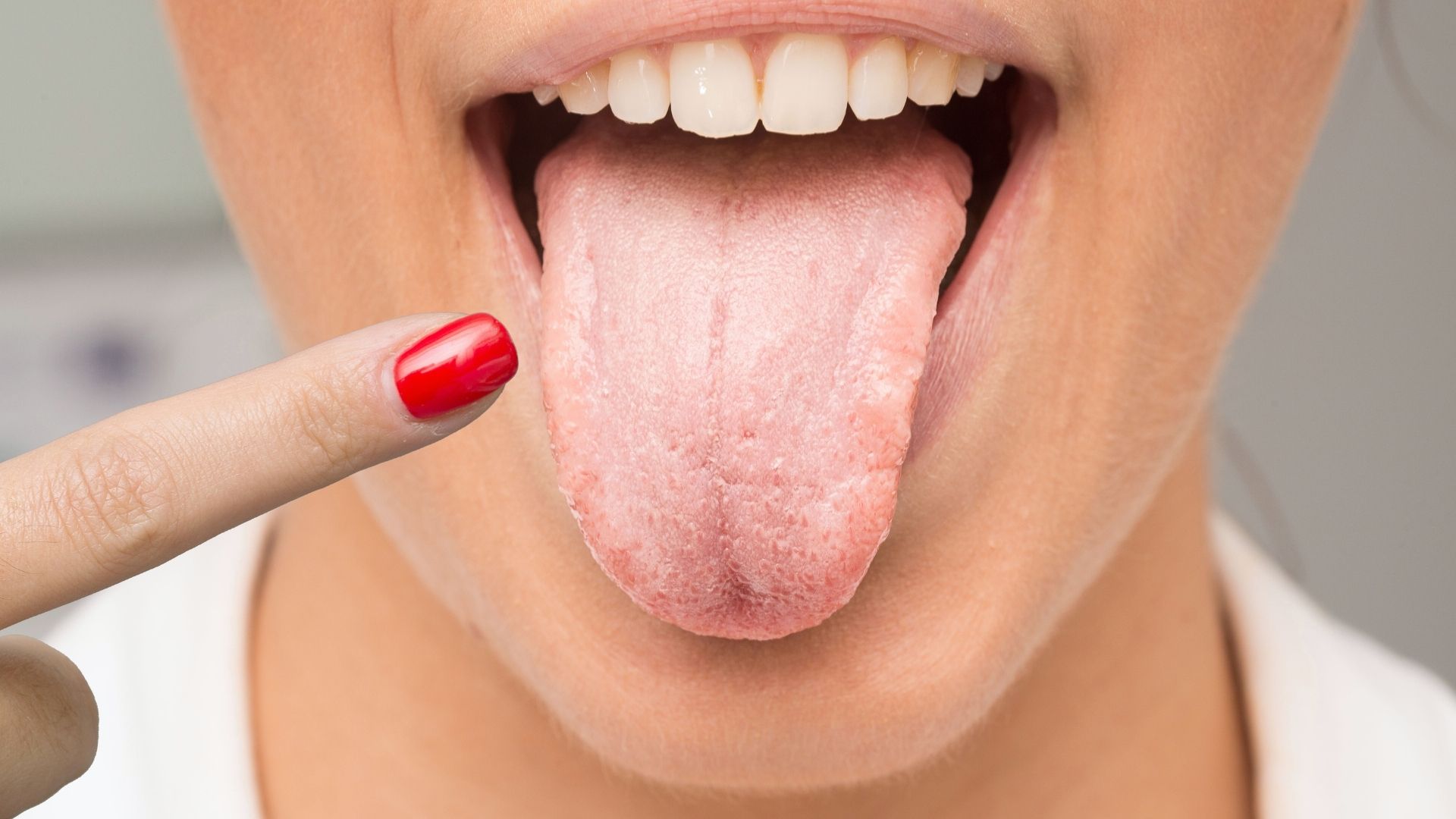
The primary reason a cocaine saliva test is so much faster is that it measures the drug in its original form right where it enters or circulates. Cocaine is derived from the coca plant and is known for its stimulating and addictive properties and short half-life. When you are taking cocaine, the substance enters your bloodstream almost instantly. Because your salivary glands are highly vascularized, the drug moves from your blood into your oral fluid through passive diffusion. In fact, research shows that cocaine can be found in saliva in just minutes after use.
Cocaine and its metabolites are eliminated from the body through urine, feces, and sweat. Cocaine and its metabolites can also be detected in sweat, but this method is not commonly used.
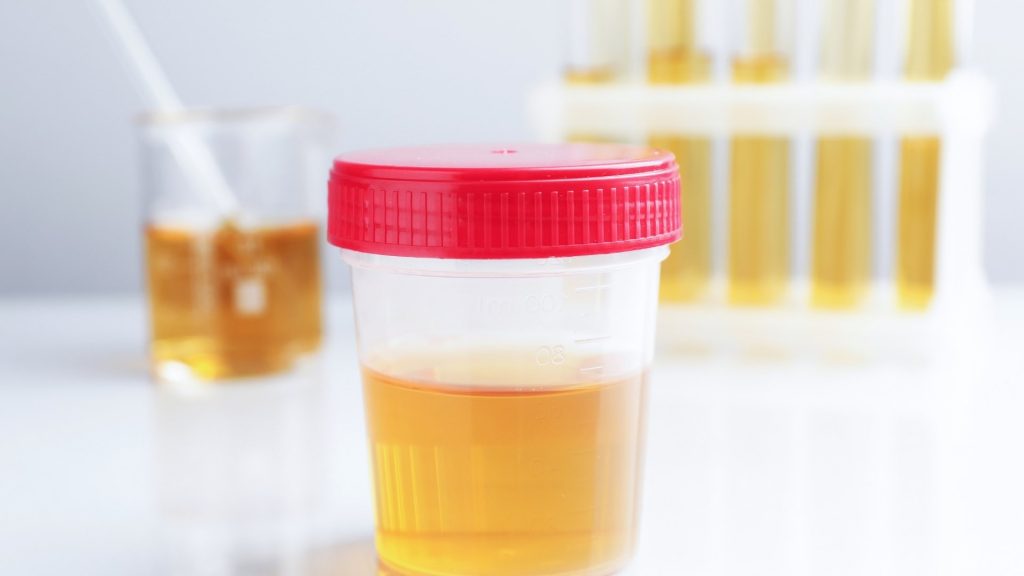
In contrast, a urine sample does not show the drug until your liver has processed the substance and your kidneys have filtered it into your bladder. This metabolic delay means that a urine drug test might not detect cocaine use for hours after the last dose. For those needing to detect substances immediately after a suspected incident, the oral fluid method is clearly superior. However, urine tests are the most common method used to detect cocaine use due to their cost-effectiveness and wider detection windows. Cocaine can be detected in saliva for 1 to 3 days after use, while cocaine in urine is detectable for up to a week or more for more chronic users.
The Cocaine Saliva Test: Why pH Levels Matter in Your Mouth
You might find it fascinating that your mouth is actually designed to trap cocaine. Cocaine is a basic substance, and your saliva is generally more acidic than your blood. Through a biological quirk called ion trapping, basic drugs like cocaine become more concentrated in the acidic environment of the mouth. This leads to a saliva-to-plasma ratio that is often greater than 1.0, meaning there is often more cocaine in your spit than in your blood at any given moment.
- The parent drug cocaine is the primary target in saliva, while urine tests look for the metabolite benzoylecgonine.
- Your liver function plays a major role in how fast you process cocaine and clear it from your system.
- Saliva pH typically ranges from 6.2 to 7.4, creating the perfect environment for cocaine detection.
Comparing the Detection Windows for Cocaine Use in a Drug Test

While the speed of a cocaine drug test is impressive, the detection window is relatively short compared to other methods. Most drugs, including cocaine, stay in your system for varying lengths of time depending on the test type. Some studies have found that in heavy users, cocaine metabolites like ecgonine methyl ester can stay in the system for several days beyond the standard window. Blood tests for cocaine have a short detection window, typically ranging from a few hours to a day or two.
Detection Windows in Different Cocaine Drug Tests
| Test Type | How Soon It Detects | How Long It Stays | Primary Substance Found |
| Saliva Test | 5 to 10 minutes | 24 to 48 hours | Parent Cocaine |
| Urine Test | often within 1–4 hours, though timing varies. | 2 to 4 days | Benzoylecgonine |
| Blood Test | Minutes | 12 to 24 hours | Parent Cocaine |
| Hair Testing | 7 to 10 days | Up to 90 days | Cocaine Metabolites |
Key Variables Affecting Cocaine Screen Results and When The Test Can Detect Cocaine
Several factors influence how long cocaine stays in your system and how a cocaine screen will read your results. Your individual health history, body mass, and even how you take cocaine (snorting vs. smoking) can change the outcome. For instance, smoking crack cocaine may lead to higher immediate concentrations in the mouth than other methods.
How Someone’s Metabolism Affects Detection
The way your body processes cocaine is also tied to your unique metabolic rate. People with higher metabolism or those who are physically active may clear the drug faster. Conversely, individuals with liver damage or those using other substances like alcohol simultaneously may find that cocaine stays in their system longer because the liver is busy processing multiple toxins at once. Some other
- Cocaine has a shorter half-life in the blood (about 1.5 hours) compared to its metabolites.
- The central nervous system is affected almost immediately, leading to heightened energy and euphoric effects.
- Psychological symptoms like impulse control issues can persist even after the drug is no longer detectable in a saliva sample.
How Long Does Cocaine Stay In Your System?
Cocaine itself leaves the body quickly, usually within hours to a day, but its metabolites, particularly benzoylecgonine, remain detectable much longer in various biological samples. The duration depends significantly on usage frequency, individual metabolism, body composition, hydration levels, and the specific testing method employed.
Factors Influencing Cocaine Detection
| Factor Category | Influence on Test | Effect on Window | Clinical Note |
| Frequency of Use | Heavy vs Occasional | Lengthens window | Accumulates in fat |
| Hydration Levels | Dilution of urine | Shortens urine window | Less impact on saliva |
| Saliva pH | Ion trapping | Increases saliva levels | Higher concentration |
| Metabolic Rate | Speed of breakdown | Shortens window | Varies by age/health |
What Are the Risks of Cocaine Addiction and Long-Term Use?
Cocaine addiction and prolonged use create devastating consequences across physical, mental, and social dimensions, with effects that intensify over time and often become irreversible.
- Cocaine addiction causes severe cardiovascular damage including heart attacks, strokes, and arrhythmias.
- Long-term use destroys nasal tissues, damages lungs, and causes neurological problems like seizures and cognitive decline.
- Mental health deteriorates with increased depression, anxiety, and paranoia. Users face malnutrition, weakened immune systems, and risky behaviors leading to infections or overdose.
- Addiction disrupts relationships, careers, and financial stability, often requiring professional treatment for recovery.
Finding Support and Long-Term Recovery for cocaine Abuse
The goal of any drug test is not just to “catch” someone, but to provide a clear picture of what is happening so that real help can begin. If you or a loved one is struggling with cocaine use, knowing how long cocaine stays in your system is only the first step. True recovery requires a structured outpatient setting that offers clinical excellence and a compassionate approach.
Frequently Asked Questions About Cocaine Saliva Tests
How long after use will cocaine show up on a saliva test?
Cocaine is detectable in oral fluid almost immediately after use, typically within 5 to 10 minutes. This rapid appearance happens because the drug diffuses quickly from the blood into the salivary glands, making saliva tests much faster at detecting recent drug use than urine tests.
Can you fail a drug test from being around cocaine smoke?
While highly unlikely, extremely heavy exposure in a small, unventilated area could theoretically lead to trace amounts in a saliva sample. However, the cut off levels used in professional lab tests are designed to distinguish between incidental exposure and actual cocaine use to ensure accurate test results.
Does drinking water help pass a saliva drug test?
Drinking water may temporarily lower the concentration of substances in your mouth, but it will not “clear” the drug from your system. Since cocaine is constantly diffusing from your blood into your saliva, the drug will remain detectable as long as it is active in your bloodstream.
Ready to Break Free From Addiction? We’re Here to Help
Saliva tests are a powerful tool because they offer a fast, accurate, and dignified way to detect recent cocaine use. By catching the drug within minutes, they provide clinicians with the immediate data needed to support their journey toward long-term wellness. If you are ready to move past the cycle of addiction and address the mental health disorders that may be holding you back, we are ready to walk with you. Care Star Recovery & Wellness offers a luxury outpatient environment with a strong continuity-of-care model designed for working professionals and adults seeking a higher standard of care. Contact us to verify your insurance or schedule an assessment with our admissions team today.