
Supportive Outpatient Program for Addiction Treatment in Carrollton, TX
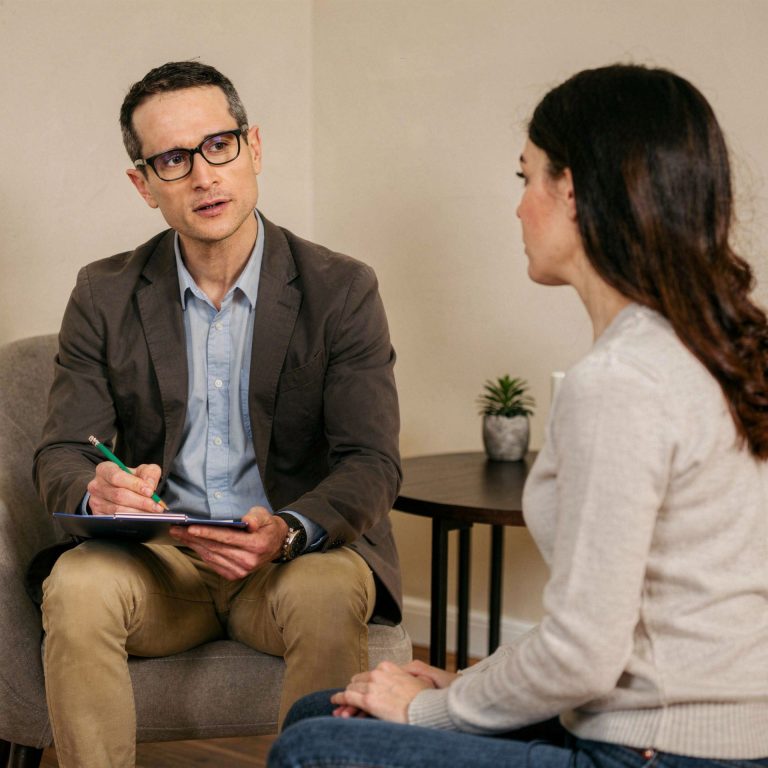
- Is Outpatient Addiction Care Right for You?
What Is A Supportive Outpatient Program?
A Supportive Outpatient Program (SOP) is a structured way to work on substance use recovery while staying rooted in your daily routine. Instead of stepping away from life, you attend planned sessions during the week and work with a clinical team to develop practical strategies you can apply where it matters most: at home, at work, and in real-world situations.
- Structured outpatient support that reinforces healing between sessions
- More touchpoints than standard therapy, without residential placement
- Helps you build a support network and strengthen daily stability
- Addresses both substance use and the stressors that fuel it
- Focused on education, skills practice, and healthier choices
- Works well as step-down care or as an entry point to treatment
- Your Recovery Path
How SOP Bridges the Gap in Recovery
SOP supports stability within Care Star’s outpatient continuum by helping clients maintain recovery progress through regular check-ins and guided sessions. The program reinforces positive routines, strengthens coping skills, and emphasizes relapse-prevention planning while keeping you connected to a clinical team. This level of care can be especially helpful after a higher-intensity program or during high-stress periods that increase the risk of return to use.

- What We Treat
Substances SOP Is Designed to Support
Our supportive outpatient care is designed for adults seeking help with a range of substances. It can support those starting, strengthening, or maintaining recovery while living at home, offering compassionate guidance and tailored care.
Alcohol Addiction
Problem drinking affects mood, sleep, relationships, and the ability to stay consistent at home or work.
Opioid Addiction
Opioid use can lead to tolerance, withdrawal cycles, cravings, and increased risk without structured treatment.
Cocaine Addiction
Cocaine use is linked to crashes, anxiety, irritability, and difficulty maintaining stable routines and decision-making.
Benzodiazepine Addiction
Misuse of benzodiazepines can create dependence and complicate emotional regulation and tapering safely.
Methamphetamine Addiction
Meth use can disrupt sleep, appetite, and emotional stability, often heightening impulsivity and increasing the risk of relapse.
Marijuana Addiction
Cannabis use contributes to low motivation, mood changes, or interference with responsibilities and goals.
- WHY CHOOSE US
Why Choose Care Star For SOP Addiction Treatment
Many adults avoid treatment because they worry it won’t fit their situation, work demands, family stress, or past attempts that didn’t stick. Care Star’s SOP is designed to meet you where you are, personalize your treatment plan, and help you strengthen protective factors that support long-term sobriety.
What Sets Our SOP Apart
- Personalized care that fits your schedule, stressors, and recovery history
- Reinforcing resilience with healthy connections and effective coping tools
- Guidance for navigating social pressure and high-risk environments
- Aftercare support to help maintain progress after more intensive treatment
- A steady pace that builds consistency without overwhelming your week
- Transparent communication about next steps, expectations, and admissions



Helping Clients Smile Again
What Clients Say About Care Star’s Outpatient Addiction Treatment
We Are Proudly In-Network With Most Insurances


- Start Your Recovery Journey Today
Fast, Private Admissions For Our Addiction SOP
Our admissions team can walk you through options for you or someone you care about. Ask questions, share what’s going on, and get clear next steps. No pressure and no obligation, just helpful guidance when you’re ready.

- Frequently Asked Questions
FAQs About Supportive Outpatient Program for Addiction Treatment
When is SOP the best option?
It can be a strong fit if you’re medically stable, able to remain safe outside of treatment hours, and need consistent support beyond occasional therapy. It may work well when you have responsibilities you can’t pause, but still want a structured recovery plan. If symptoms or risk increase, a higher level of care may be recommended.
What does a typical week in SOP look like?
Most participants have weekly group therapy, plus individual check-ins as needed. You’ll work on recovery skills, relapse-prevention strategies, and practical plans for handling triggers in real life. The exact frequency and session mix depend on your clinical assessment and treatment goals.
Can family or partners be involved in SOP addiction treatment?
Often, yes. Inviting family or partners can improve communication, strengthen boundaries, and help create a healthier home environment. Participation depends on your preferences, clinical needs, and what’s appropriate for your situation. If involvement isn’t helpful or safe, treatment can focus on other relationships and resources that reinforce recovery.
What therapies are used in the supportive outpatient program?
SOP commonly includes evidence-based therapy modalities such as CBT, DBT, trauma-informed care, and relapse-prevention work. Sessions may focus on emotional regulation, stress management, communication, and changing patterns that keep substance use going. Your plan will be tailored to your history, strengths, and current challenges.
What happens after I finish SOP?
After this program, many clients transition to less frequent outpatient sessions, ongoing therapy, and/or community-based activities. A discharge plan typically includes strategies for maintaining sobriety, follow-up recommendations, and next-step goals. The focus is on continuity of care to sustain progress and support long-term stability.
Need More Information? We Are Here To Help!
Start Building a Healthier, Stronger You Today
Recovery doesn’t have to be overwhelming. Our caring admissions team helps you navigate every step, ensuring you or your loved one get into a program that truly fits. Start your journey with Care Star today.
Send Us A Message
Fill out the form below, and one of our mental health and addiction specialists will contact you shortly.
"*" indicates required fields